Why Regulated Aesthetic Courses Are Important for Building a Safe, Expert Method
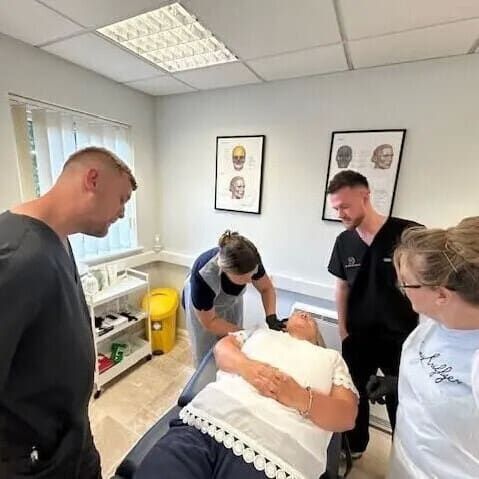
Regulated aesthetic courses play a significant function in cultivating expert and risk-free techniques within the aesthetic industry (Laser Hair Removal Course Level 4 London). These programs equip professionals with essential knowledge about anatomy, security protocols, and the newest methods. They additionally aid guarantee conformity with legal requirements, which is essential in preserving both client safety and professional integrity. The ramifications of such training prolong past simple conformity. Comprehending the wider influence on client trust fund and sector responsibility elevates vital inquiries concerning the future of aesthetic practices
The Importance of Safety in Aesthetic Therapies
The significance of safety in aesthetic therapies can not be overemphasized. As the demand for aesthetic treatments expands, ensuring patient safety comes to be vital. Aesthetic experts need to stick to rigorous safety and security procedures to reduce threats and complications. This includes understanding the composition, identifying possible adverse reactions, and using appropriate methods. People are worthy of to receive therapies in a controlled atmosphere where hygiene and tools standards are preserved. In addition, the usage of regulated courses guarantees that professionals are educated and trained about the most up to date security standards. By focusing on security, specialists not just protect their customers but also foster count on and reputation in their methods. Inevitably, a commitment to security adds to the overall success and sustainability of the aesthetic industry.
Comprehending the current Developments and strategies
Advancement in aesthetic therapies is a driving pressure behind the advancement of the industry. Developments in techniques such as micro-needling, laser therapies, and non-invasive body contouring have transformed the means practitioners approach client care. These technologies not only enhance outcomes yet additionally focus on person convenience and security. For example, the combination of man-made knowledge in therapy preparation permits individualized techniques, enhancing results based on individual client needs. Additionally, new items and materials are continuously established, providing enhanced efficiency with less negative effects. Remaining updated on these developments is necessary for practitioners, guaranteeing they can supply the very best care while sticking to sector requirements. This dedication to discovering ultimately fosters a much more effective and liable aesthetic technique.
Building Client Trust Through Regulated Education And Learning
Regulated education plays a crucial function in cultivating trust fund in between practitioners and clients in the aesthetic sector. They demonstrate a dedication to professionalism and expertise when specialists undertake organized training and qualification. This formal education guarantees that aesthetic treatments are carried out safely and efficiently, giving clients with self-confidence in the skills of their picked practitioner. Clients are most likely to depend on specialists that have met sector criteria and laws, as this indicates a detailed understanding of techniques, safety and security procedures, and honest techniques. Regulated education and learning urges ongoing knowing, permitting experts to remain updated with the most recent improvements. Consequently, clients can feel safe and secure knowing their aesthetic treatments are taken care of by educated, certified individuals dedicated to delivering top quality care.
The Duty of Liability in Aesthetic Practices
While liability is usually ignored, it functions as a keystone of ethical technique in the aesthetic sector. Experts need to stick to established criteria and procedures to ensure client safety and satisfaction. Liability fosters a society of transparency, where experts take duty for their actions and choices. This consists of preserving exact records, getting notified approval, and actively participating in constant education. By holding themselves accountable, aesthetic experts demonstrate their commitment to high quality treatment and ethical requirements. In addition, liability systems, such as regulative bodies and peer evaluations, develop a framework that dissuades negligence and advertises best techniques. Ultimately, a strong responsibility system is important for sustaining trust fund and integrity within the aesthetic area, benefiting both practitioners and their customers.
Enhancing Professionalism in the Aesthetic Sector
Expertise in the aesthetic market is significantly identified as a necessary part in boosting customer count on and contentment. Practitioners who abide by high standards of professionalism and trust produce a setting that cultivates favorable customer experiences. This consists of my site keeping a clean, secure practice area, communicating properly, and showing moral behavior. Educating programs that highlight expertise furnish practitioners with the required skills to navigate client connections and address issues quickly - Regulated Aesthetic Courses. Additionally, expertise includes staying upgraded with sector advancements and finest practices, making sure that customers get notified and appropriate treatment. By prioritizing professionalism and reliability, aesthetic practitioners can distinguish themselves in an affordable market, inevitably leading to increased customer commitment and positive referrals. Because of this, the whole industry take advantage of a reputation improved trust fund and top quality
Lawful Requirements and Conformity in Aesthetic Training
Legal requirements and conformity are important components of aesthetic training, guaranteeing that professionals satisfy well established regulatory criteria. These criteria not only guard public health and safety and security however additionally emphasize the significance of certification in the industry. Comprehending these needs is necessary for both training organizations and aiming aesthetic professionals.
Regulatory Specifications Review
Regulatory requirements play an important role in guaranteeing the quality and safety of aesthetic training programs. Regulated Aesthetic Courses. These requirements incorporate a variety of legal needs that training institutions should follow, consisting of educational program material, instructor qualifications, and facility precaution. Conformity with these laws not only helps keep high academic requirements yet also protects the health and health of customers receiving aesthetic therapies. Numerous governing bodies oversee these policies, making certain that programs are routinely updated to reflect developments in the area. Establishments using aesthetic training must demonstrate adherence to nationwide and regional standards to attain accreditation. This dedication to regulative compliance promotes trust fund between clients and practitioners, inevitably adding to a much safer aesthetic practice atmosphere
Significance of Qualification
While seeking a job in visual appeals, acquiring accreditation is crucial for specialists to guarantee compliance with lawful needs and industry criteria. Qualification works as a formal recommendation of a specialist's certifications, guaranteeing they have the necessary abilities and knowledge to carry out aesthetic procedures safely and properly. In addition, it improves public depend on, as customers frequently seek assurance that their suppliers are extensively trained and comply with regulative guidelines. Conformity with accreditation needs additionally mitigates the risk of lawful consequences stemming from negligence or inadequate training. Additionally, accredited professionals are frequently better positioned in the affordable work market, as companies prioritize prospects that show commitment to expert advancement and adherence to industry standards. Inevitably, accreditation is a foundation of a credible aesthetic practice.
The Long-Term Conveniences of Purchasing Regulated Courses
Buying managed aesthetic courses can generate significant long-term benefits for specialists in the charm industry. To start with, these courses boost skillsets, guaranteeing specialists continue to be updated with the current strategies and safety methods - Ofqual Regulated Beauty Courses. This knowledge cultivates confidence, making it possible for specialists to offer top notch services that satisfy customer expectations
Furthermore, completing regulated courses commonly results in raised credibility and trust fund among customers, which can translate right into a loyal customer base and increased references. In addition, professionals might discover that their marketability enhances, allowing them to command higher fees for their knowledge.
Recurring education can open doors to career advancement chances, such as specialized duties or managerial positions within the industry, contributing to better job complete satisfaction and monetary security in the long run.
Frequently Asked Concerns
What Sorts Of Aesthetic Treatments Call For Regulated Training?
Aesthetic therapies calling for managed training include injectables like Botox and facial fillers, chemical peels, laser hair removal, microneedling, and advanced skincare treatments. Correct training guarantees security, effectiveness, and adherence to industry requirements in aesthetic techniques.
Exactly How Can I Locate Accredited Aesthetic Courses?
Individuals looking for certified aesthetic courses can research credible institutions online, consult expert organizations, and review evaluations. Connecting with market professionals likewise helps identify acknowledged programs that meet accreditation criteria and guarantee complete training.

Are Online Aesthetic Courses Considered Legitimate and Regulated?
Online aesthetic courses can be legitimate if approved by acknowledged organizations. However, policy varies by jurisdiction, making it important for individuals to confirm accreditation and assurance that courses meet market criteria for security and professionalism and trust.
What Is the Price of Regulated Aesthetic Training Programs?

The price of regulated aesthetic training programs usually varies from $1,000 to $5,000, depending on the organization, course size, and consisted of products (Ofqual Regulated Beauty Courses). Factors like place and expertise may additionally influence rates variants
Exactly how Usually Do I Required to Restore My Aesthetic Accreditation?
Regulated aesthetic courses play a substantial duty in promoting expert and risk-free practices within the aesthetic market. Aesthetic experts must adhere to stringent safety and security protocols to decrease dangers and complications. Regulated education plays an essential duty in cultivating trust between specialists and clients in the aesthetic market. By prioritizing professionalism and trust, aesthetic specialists can distinguish themselves in an affordable market, eventually leading to enhanced customer loyalty and positive referrals. Lawful needs and conformity are crucial parts of aesthetic training, guaranteeing that professionals satisfy recognized governing requirements.
Comments on “What makes Regulated Aesthetic Courses necessary for responsible treatment standards?”